
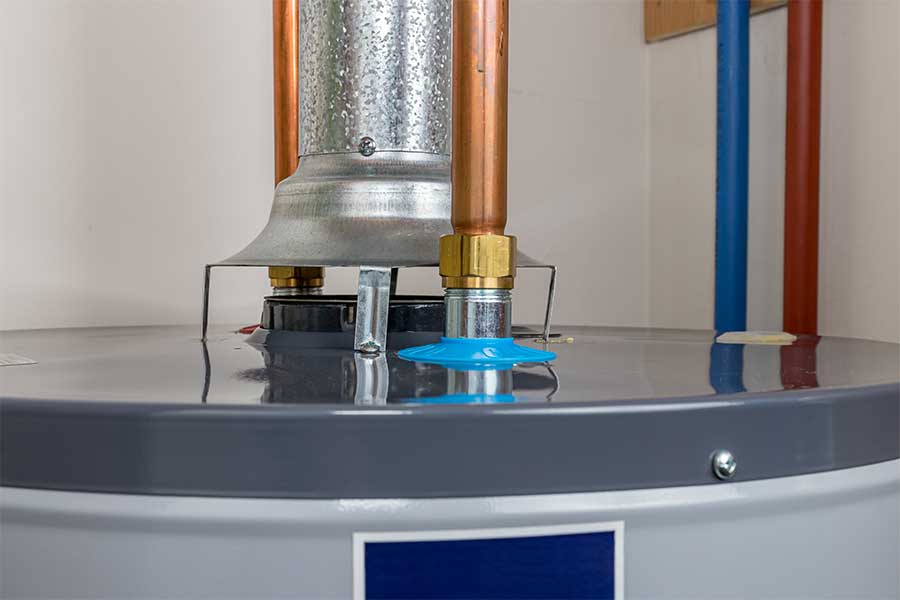
The five energy-efficient water heater options worth considering for a Bahama home are tankless on-demand units, heat pump water heaters, solar water heating systems, high-efficiency tank models, and condensing gas units. Heat pump water heaters deliver the largest efficiency gain for most homes on electric service. Tankless units make the most sense where space is tight or hot water demand is spread out. The right choice depends on your fuel source, household size, and where the unit will be installed.
Why Do Energy-Efficient Water Heaters Matter?
An energy-efficient water heater lowers the single largest hot water cost in your home and usually lasts longer than the unit it replaces. Water heating accounts for a significant share of household energy use, which makes it one of the few upgrades where the savings show up on every bill rather than seasonally.
These systems reach and hold temperature using less energy through better insulation, more efficient heat transfer, or by heating only when hot water is called for. The result is the same hot water availability with less waste.
Longevity matters as much as efficiency. Many high-efficiency models carry longer expected service lives, which spreads the replacement cost across more years. Federal and utility incentives frequently apply as well, and Duke Energy programs in this area have covered part of the cost on qualifying equipment.
Bahama presents a specific consideration. Many properties here run on private wells, and well water in northern Durham County often carries higher mineral content than treated municipal supply. That affects which systems perform well long-term, because scale buildup shortens the life of some designs faster than others. Homeowners across Bahama heating and hot water systems get better results when water quality is part of the equipment conversation rather than an afterthought.
Regular maintenance protects the efficiency you paid for. A high-efficiency unit running with scaled heat exchangers performs like a standard one.
Are Tankless Water Heaters a Good Fit for a Bahama Home?
Tankless water heaters heat water only when a tap opens, which eliminates the standby energy loss of keeping 50 gallons hot around the clock. They work well in Bahama homes where space is limited or where the household spreads hot water use across the day.
These units are compact enough to mount on a wall, which frees up floor space in a utility room or garage. Because there is no tank, there is also no tank to leak, which is a meaningful advantage in homes where the water heater sits above finished space.
Four factors determine whether a tankless unit is the right call:
- Flow rate: The unit has to deliver enough gallons per minute for simultaneous demand. Two showers plus a dishwasher requires more capacity than a single bathroom.
- Fuel type: Gas units heat water faster and handle higher simultaneous demand. Electric units cost less upfront but may require an electrical service upgrade.
- Water quality: On well water, a tankless heat exchanger scales faster without treatment or annual descaling. This is the factor most often overlooked on rural Durham County properties.
- Installation requirements: Gas models need proper venting and adequate gas supply. Electric models often need dedicated circuits and panel capacity.
Sizing is where tankless installations succeed or fail. An undersized unit runs out of capacity when two fixtures run at once, and no amount of efficiency makes up for a cold shower. A load calculation before purchase prevents that.
Venting, gas supply, and electrical capacity all get evaluated before a tankless unit goes in, which is why water heater installation and replacement on a tankless conversion takes longer than a like-for-like tank swap.
What Are the Advantages of Heat Pump Water Heaters?
A heat pump water heater moves heat from the surrounding air into the water instead of generating heat directly, which is why it uses substantially less electricity than a standard electric tank model. For most homes on electric service, it is the largest available efficiency gain in water heating.
The operating principle is the same one that makes heat pumps efficient for space conditioning. Transferring existing heat costs less energy than creating heat from scratch, and the savings show up every month rather than seasonally.
These units typically last 15 years or more with proper maintenance, and they produce fewer emissions than the systems they replace. Utility rebates apply frequently, which narrows the upfront cost gap against a standard tank.
Placement is the one real constraint. A heat pump water heater needs adequate air volume around it to pull heat from, which rules out small sealed closets. It also produces cool, dehumidified air as a byproduct, which is a benefit in a Bahama basement or garage and a drawback in a conditioned living space. Larger rural lots here often mean garages and utility buildings with plenty of room, which works in this technology’s favor.
Correct installation determines performance. A heat pump installation done with proper clearances, drainage, and airflow delivers the efficiency the label promises. One squeezed into a tight space does not.
How Much Can Solar Water Heating Save?
Solar water heating uses roof-mounted collectors to preheat water before it reaches your tank, which reduces how much energy the tank has to add. Savings depend on collector sizing, roof orientation, and household hot water use.
The systems capture sunlight, convert it to heat, and transfer that heat to your water supply. Most installations pair with a conventional or high-efficiency backup unit so hot water stays available through cloudy stretches and winter months, which is how these systems work reliably rather than seasonally.
Bahama properties often have an advantage here. Larger lots and fewer mature tree canopies compared with those in denser Triangle neighborhoods mean more homes have unobstructed south-facing roof exposure, which is the single biggest factor in solar water heating performance.
Federal tax credits and state incentives reduce installation cost meaningfully, and the reduction in utility spending continues for the life of the system. The environmental case is straightforward too, since you are replacing purchased energy with a renewable input.
Solar water heating requires a backup heat source, so it is a supplement rather than a standalone solution. Paired with an efficient primary unit, it carries most of the load through the warm months and steps back in winter, which is how these installations deliver year-round performance without leaving gaps in hot water availability.
Are High-Efficiency Traditional Water Heaters Worth It?
Yes, particularly when replacing an older tank unit on a budget or where space and fuel constraints rule out the alternatives. High-efficiency tank models use improved insulation and better burner or element design to deliver the same hot water with less energy.
These units carry a higher energy factor rating, meaning more of the energy that goes in ends up in the water rather than being lost to standby heat. Condensing gas models push that further by capturing heat from exhaust gases that a standard unit vents away.
The practical advantage is installation simplicity. A high-efficiency tank generally drops into the same footprint as the unit it replaces, using existing connections and venting. That keeps installation costs down and avoids the electrical or venting work that tankless and heat pump options sometimes require.
For Bahama homes with well water, a high-efficiency tank with a serviceable anode rod and an accessible drain valve is often the most practical long-term choice. Sediment is easier to flush from a tank than to descale from a compact heat exchanger, and that maintenance access matters over a 12 to 15 year service life.
Selecting the right model comes down to household size, recovery rate, and fuel source. Where a unit already installed needs attention rather than replacement, water heater repair services will tell you whether the existing tank still has usable life in it.
Frequently Asked Questions
Which energy-efficient water heater is best for a home on well water?
A high-efficiency tank model with an accessible anode rod and drain valve is usually the most practical choice on well water, because sediment and scale are easier to manage in a tank than in a compact heat exchanger. Tankless and heat pump units can work well on well water, but they need water treatment or a committed annual descaling schedule to maintain their efficiency.
How long do heat pump water heaters last?
Most heat pump water heaters last 15 years or more with regular maintenance, which is longer than a typical standard electric tank. Keeping the air filter clean and the condensate drain clear is the bulk of the upkeep. Placement with adequate air volume around the unit also affects service life.
Do energy-efficient water heaters qualify for rebates in Durham County?
Many do. Duke Energy has offered rebates on qualifying high-efficiency water heating equipment, and federal tax credits apply to certain heat pump and solar water heating installations. Program terms change, so confirm current eligibility before purchasing rather than assuming last year’s rebate still applies.
Is a tankless water heater worth it for a small household?
For a one or two-person household, a tankless unit’s standby savings are real but the payback period is longer, since you are eliminating less waste to begin with. The stronger arguments for a small household are space savings and no tank to leak. A heat pump water heater often delivers better economics at that size.
Can I replace a gas water heater with a heat pump model?
Usually yes, but it requires electrical work. A heat pump water heater needs a dedicated circuit and adequate panel capacity, and the gas line and venting for the old unit get properly decommissioned. Have an electrician confirm your panel can support the new load before committing to the switch.
Choosing the Right System for Your Bahama Home
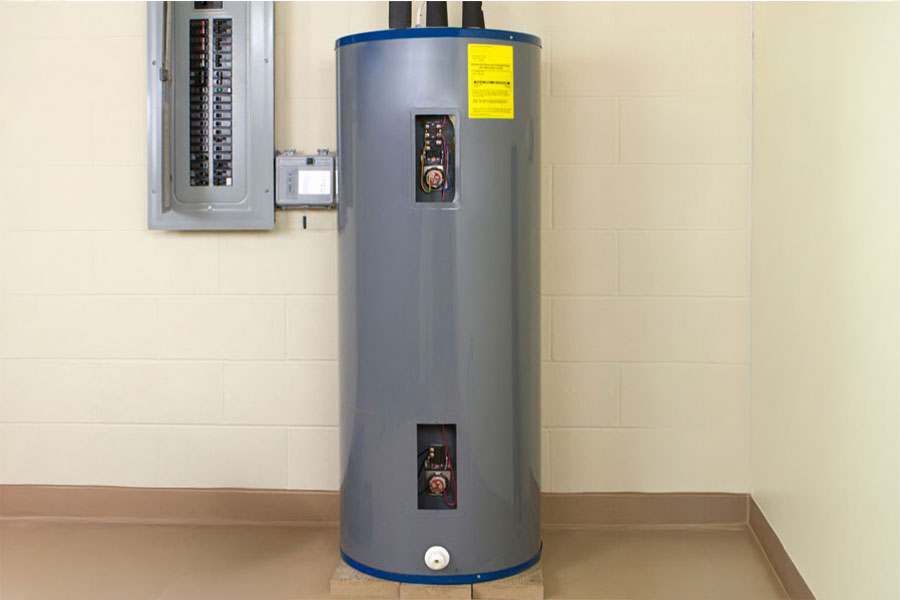
Every one of these five options saves energy compared to a standard tank water heater. The one that fits your home depends on your fuel source, your water quality, how much room the unit has to work with, and how your household actually uses hot water through the day.
That is worth getting right the first time, because a water heater is a decision you live with for well over a decade. If you would like help comparing options against your specific setup, request a free estimate and we will look at your current system, your water, and your space before recommending anything.