
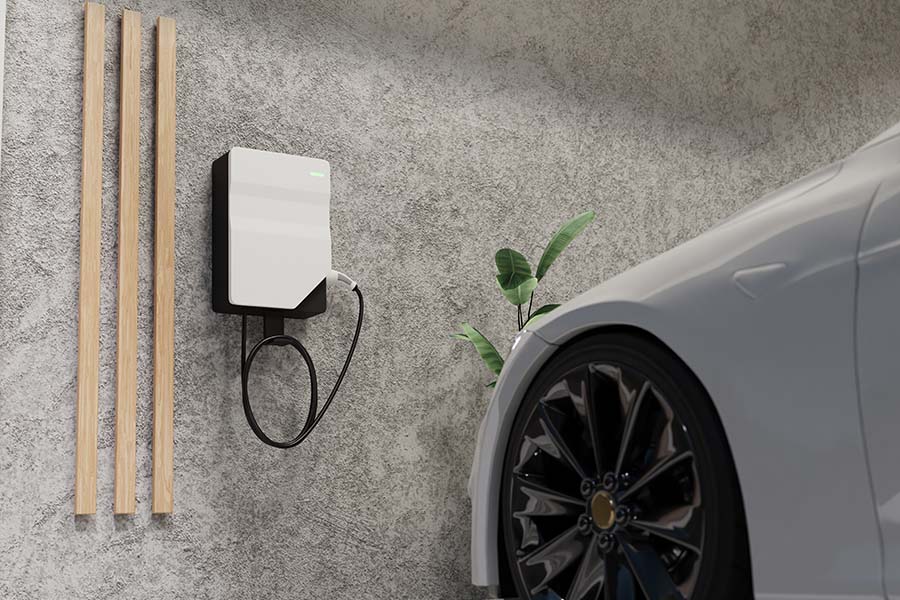
A successful EV charger installation in Cary, NC, comes down to five things: checking your electrical panel capacity, choosing the right charger for your vehicle, picking a smart install location, handling local permits, and planning for future upgrades. Not every home is wired to handle the added load, so the work should be done by a licensed and insured electrician who can confirm your system is up to code.
Tech-On-Deck Heating, Air & Electric is a licensed and insured electrical contractor serving Cary and the greater Triangle. Here is what you need to know before your EV charging installation service begins.
Key Points
- Most home EV chargers need a dedicated 30 to 50 amp circuit, so your electrical panel may need an upgrade first.
- Level 2 chargers charge faster than Level 1 but often require more electrical capacity.
- Install location matters: garage placement, weather resistance, and proximity to your panel all affect cost and safety.
- Cary, NC, homeowners may need permits and must meet local electrical codes and any HOA rules.
- A licensed electrician keeps your installation safe, code-compliant, and ready for future upgrades.
Can Your Electrical System Handle an EV Charger?
Your electrical system can handle an EV charger only if your panel has enough spare amperage for a dedicated circuit. Before you plunge into installation, it is vital to assess that capacity so the added load does not overwhelm your system.
Start by checking your main electrical panel; it should have enough amperage to support your charger. Most chargers require a dedicated circuit, typically ranging from 30 to 50 amps. If your panel’s capacity is insufficient, you might need to upgrade it.
Next, evaluate your home’s wiring. Older homes may have outdated wiring that can’t safely support modern electrical demands. If you’re unsure, consult a qualified electrician who can help determine your system’s limitations and recommend necessary upgrades.
Finally, consider your home’s overall electrical usage. If you often run multiple high-demand appliances simultaneously, it is critical to confirm you won’t overload the system. Regular safety inspections help keep your system up to code, and many EV owners pair that review with a professional electrical panel upgrade and replacement so their new charger has a solid foundation.
How Do You Choose the Right EV Charger for Your Vehicle?
You choose the right EV charger by matching it to your vehicle’s compatibility and your driving habits. Most EVs use Level 1 or Level 2 chargers, with Level 2 providing faster charging.
Review your driving habits: if you frequently take long trips, a Level 2 charger might be best for faster recharging at home.
Next, consider the power output. Chargers can range from 3.3 kW to 22 kW. Higher power means quicker charging but may require an upgrade to your electrical system.
Don’t forget about features like smart charging capabilities, which allow you to schedule charging times or monitor energy usage via an app.
Lastly, factor in the charger’s warranty and customer support. Choosing a reliable brand can save you headaches down the road. Professional installation guarantees a safe, efficient setup, and Cary homeowners often start with local Cary, NC electrical services to get expert guidance.
Where Should You Install Your EV Charger?
You should install your EV charger where it is convenient, weather-appropriate, and close to your electrical panel. Where you place it plays a significant role in its effectiveness and convenience.
First, think about your daily routine. If you park in a garage, installing the charger inside can protect it from the elements and make charging easier. If you primarily park outside, verify the charger is weather-resistant and easily accessible.
Next, consider proximity to your electrical panel. A closer installation can reduce installation costs and minimize power loss. Confirm the location allows for safe cable management to avoid tripping hazards.
Lastly, think about future needs. If you plan to get a second EV or upgrade your current one, choose a location that accommodates potential expansion. In many homes, this planning happens alongside other electrical upgrades, such as a professional indoor lighting installation or panel work, so the overall layout supports both comfort and EV charging.
What Permits Do You Need for an EV Charger in Cary, NC?
In Cary, NC, you may need a specific electrical permit for an EV charger installation, depending on the type of work. Understanding these rules is essential before starting your project.
Check with your local building department to verify you are compliant with zoning laws and safety standards. It is also important to take into account any homeowner association guidelines if you live in a community with such regulations, since they may have restrictions or requirements for EV charger installations.
Furthermore, familiarize yourself with the electrical codes that apply, as these will influence the installation process. Working with a licensed electrician helps you navigate these requirements smoothly. They guarantee your installation meets local codes while providing expert advice on the best practices for your specific situation.
How Do You Plan for Future EV Charging Needs?
You plan for the future by installing more capacity than you need today. As you plan your EV charger installation, contemplating future needs and potential upgrades keeps your setup efficient and adaptable.
Think about your current and future vehicle requirements; as EV technology evolves, you might want a faster charging option or additional capacity. Installing a Level 2 charger now could save you from costly upgrades later.
Furthermore, evaluate your home’s electrical panel, because upgrading it might be necessary to handle increased power demands. If you plan to install multiple chargers or expand your charging network, verify your setup can accommodate that growth, and stay informed about emerging technologies and incentives that may arise in the future.
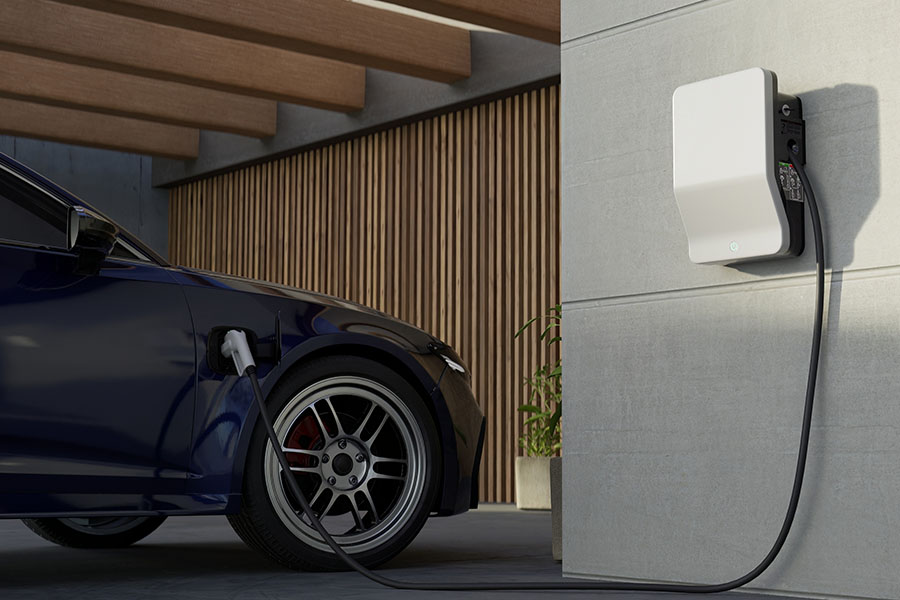
Plan Your Cary EV Charger Installation With Confidence
Planning an EV charger installation in Cary, NC, is about more than picking a charger and a spot on the wall. Get the permits right, confirm your electrical system’s capacity, and plan for the future so your charger does not become an expensive decoration in your garage. When you are ready for a licensed electrician to handle the technical details, our team delivers a safe, code-compliant setup tailored to your Cary home.
Frequently Asked Questions
How many amps does a home EV charger need in Cary, NC?
Most home EV chargers need a dedicated circuit ranging from 30 to 50 amps. If your electrical panel does not have that spare capacity, you may need a panel upgrade before installation. A licensed electrician can confirm your panel’s amperage and recommend the right circuit.
Do I need a permit to install an EV charger in Cary, NC?
You may need a specific electrical permit in Cary, NC, depending on the type of installation. Check with your local building department to confirm zoning and safety compliance, and review any HOA guidelines. Working with a licensed electrician helps ensure the job meets local codes.
Is a Level 2 charger worth it for my home?
A Level 2 charger is worth it if you drive often or take long trips, because it charges much faster than a Level 1 charger. It typically requires more electrical capacity, so your panel may need an upgrade. Installing Level 2 now can also save you from costly upgrades later.
Can Tech-On-Deck install my EV charger in Cary, NC?
Yes. Tech-On-Deck is a licensed and insured electrical contractor serving Cary and the greater Triangle. We assess your panel capacity, handle code compliance, and set up your charger safely. Contact our team today to get started.