
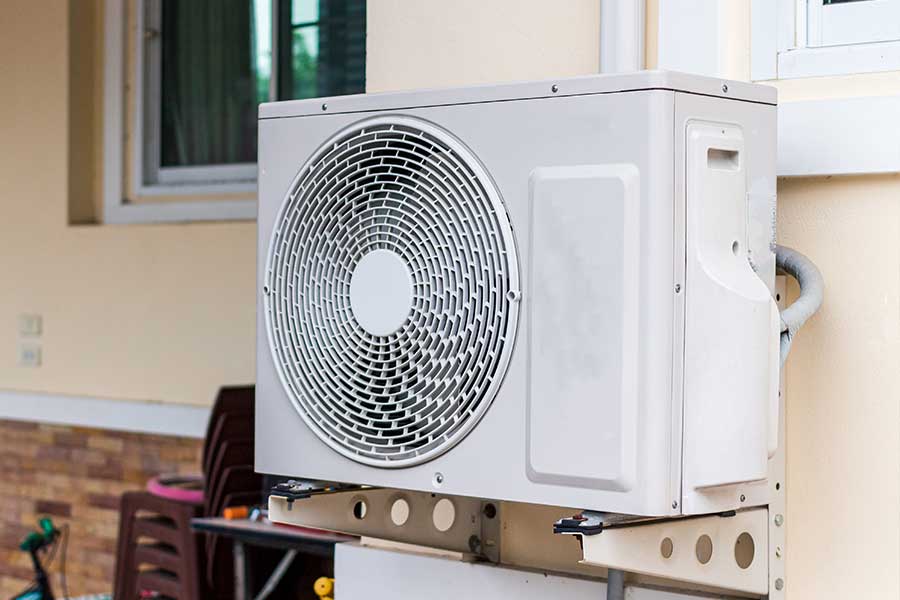
Morrisville has grown rapidly over the past decade. Newer subdivisions, townhomes, and mixed-use developments have made it one of the more densely built communities in the Triangle. Many of the ductless mini splits installed during that buildout are now approaching the age where consistent maintenance matters and early repair signs start appearing. Knowing what a failing system looks like, and what to do about it, keeps your home comfortable through North Carolina’s demanding summers and increasingly variable winters.
Signs Your Ductless Mini Split Is Failing
The earlier you catch a failing mini split, the more options you have. Several signs are worth knowing.
Inconsistent temperatures across different rooms, particularly in homes with multiple indoor units, are one of the first indicators. If a room that’s been reliably comfortable is suddenly running hot or cold regardless of your thermostat settings, the zone handling that space isn’t performing correctly.
Unusual sounds from the indoor or outdoor unit deserve attention. Buzzing or hissing can indicate electrical issues or refrigerant loss. Rattling may point to loose components. In Morrisville’s newer construction, where the Research Triangle Park corridor demands quiet, comfortable working environments, these sounds are often noticed quickly.
Unexplained spikes in energy bills are a reliable proxy for system inefficiency. When a mini split starts using more electricity to produce the same output, something has changed in how it’s operating. Visible leaks near either unit, or short cycling where the system turns on and off in rapid succession rather than running full cycles, are more urgent warning signs. Ductless mini split installation done by a certified technician minimizes many of these failure risks from the start, but even well-installed systems need attention over time.
5 Frequent Problems With Ductless Mini Splits
Inconsistent cooling or heating is most often caused by refrigerant loss or a compressor that’s struggling under load. Both require a certified technician to diagnose and correct.
Unusual noises, including rattling, grinding, and buzzing, indicate loose components, motor wear, or debris caught in the system. These problems don’t improve without service.
Odors from the unit vary in their implications. A musty smell typically means mold or mildew has developed in the coil, common in systems that have been allowed to sit in humid conditions. A chemical or sweet smell often indicates refrigerant leakage, which requires immediate attention.
Remote control malfunctions are sometimes as simple as a battery replacement or resetting the device. When they persist after those fixes, the issue may be internal.
Water pooling near the indoor unit indicates a blocked condensate drain. Left unaddressed, this causes water damage to the wall or ceiling behind the unit. AC repair services address all of these failure modes, from refrigerant work to mechanical repairs to drain clearing.
Troubleshooting Your Ductless Mini Split
Before calling for service, a few basic checks are worth trying. Confirm the remote control is set correctly, and the batteries are fresh. Incorrect mode or temperature settings cause a surprising number of apparent failures that aren’t failures at all.
Check the filter in the indoor unit. A clogged filter is the single most common cause of airflow problems and reduced cooling or heating output. Filters should be inspected monthly and cleaned when they show visible dirt accumulation.
Inspect the outdoor unit for debris. Leaves, grass clippings, and dirt buildup around the unit restrict the airflow that the compressor depends on. Clear any obstructions and verify the unit has adequate clearance on all sides.
Check the condensate drain for visible blockages if you’ve noticed water near the indoor unit. If the system is displaying error codes, the user manual’s error code table is the fastest way to understand what the system is reporting. Heat pump installation and repair expertise transfers directly to mini split systems. The diagnostic and mechanical principles overlap significantly.
When to Get Help From a Pro
Some mini split problems are straightforward maintenance. Others require a licensed technician, and attempting to handle them without the right equipment can cause additional damage.
Call a professional when you notice refrigerant leaks. This work requires certified handling and specialized tools. Unusual noises that don’t clear after checking for obvious debris and loose panels suggest internal mechanical issues. Persistent inconsistent temperatures after filter cleaning and thermostat verification indicate a problem in the refrigerant circuit or compressor. Any electrical fault, including burning smells, sparks, or repeated breaker trips connected to the mini split, requires immediate professional attention.
Why Regular Maintenance Is Crucial
Consistent maintenance delivers returns that are easy to quantify. The efficiency gains from well-maintained filters, clean coils, and properly charged refrigerant can meaningfully reduce energy consumption.
Annual AC maintenance is how most developing problems get caught before they become expensive repairs. A routine service visit covers filter inspection, coil cleaning, refrigerant level verification, condensate drain clearing, and electrical connection checks. For Morrisville homeowners dealing with the demands of summer cooling and winter heating, a well-maintained mini split is a dependable year-round asset.
Keeping Your Morrisville Home’s Comfort System on Track
Early attention to warning signs, consistent maintenance habits, and timely professional service are what keep ductless mini splits performing reliably in Morrisville’s growing residential landscape. The most expensive repairs are almost always the ones that started as smaller problems left unaddressed.
Contact our team today for an assessment or to schedule service for your Morrisville ductless mini split system.